Prevent cat urine – 10 tips against uncleanliness
Redaktion Akut SOS Clean · 01. Januar 2024 · 6 Min. Lesezeit
Inhalt
If your cat suddenly stops using the litter box and instead urinates on carpets, sofas or in corners, it is not only annoying, but often also a cry for help from your four-legged friend. Cat urine in the home always has a cause - and the good news is: in most cases the problem can be solved. We at Akut SOS Clean are not only familiar with professional odor removal, but also give you practical tips on how you can permanently prevent cat urine in your home.
Why does my cat pee everywhere?
Before taking preventative measures, it is important to understand the cause of the uncleanliness. Cats are naturally clean animals. If they suddenly urinate outside the litter box, there is almost always a specific reason behind it.
Medical causes
Urinary tract infections, bladder stones, kidney disease or diabetes can cause your cat to be unable to hold urine or have pain when urinating. She may then associate the pain with the litter box and avoid it. In the event of sudden uncleanliness, you should always consult the vet first to rule out medical causes.
Stress and changes
Cats are creatures of habit. Moving, new roommates (human or animal), renovations, changed working hours or even a new piece of furniture can cause stress. Uncleanliness is a common reaction to such changes - your cat tries to refamiliarize itself with its surroundings by marking with urine.
Litter box problems
The litter box is the most common and easiest cause to fix. Too few toilets, the wrong location, unsuitable litter or poor hygiene can cause your cat to refuse to go to the toilet.
10 tips to prevent cat urine in your home
Tip 1 – The right number of litter boxes
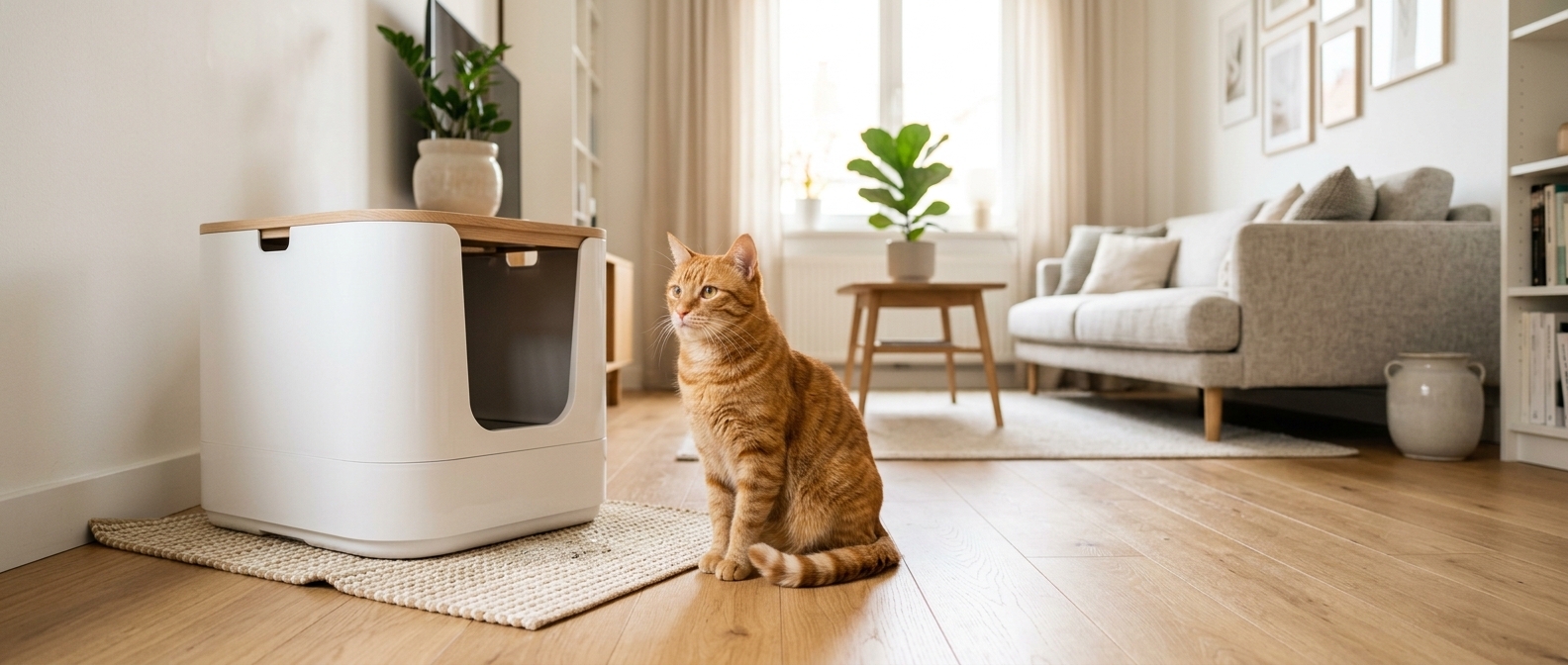
The rule of thumb is one litter box per cat plus one extra. If you have two cats, you should set up at least three litter boxes. Many cats are reluctant to use a toilet that has already been used by another cat.
Tip 2 – The optimal location
Place litter boxes in quiet, easily accessible locations. Avoid locations next to the washing machine, in dark corners of the cellar or directly next to the food bowl. Cats want to be undisturbed while doing their business, but still have an escape route.
Tip 3 – The right cat litter
Experiment with different types of litter. Most cats prefer fine-grained, clumping litter without a strong odor. Scented litter can deter cats. Stick with a variety that your cat accepts and don't keep switching.
Tip 4 – Daily cleaning
Clean the litter boxes at least once a day, preferably twice. Remove lumps and feces immediately. Once a week the entire toilet should be emptied, cleaned with warm water and filled with fresh litter. Do not use harsh cleaning products - the smell may scare your cat away.
Tip 5 – Reduce sources of stress
Maintain a calm, predictable environment. Offer your cat places to retreat, elevated places to lie down and hiding places. Feliway vaporizers with synthetic facial pheromones can have a calming effect. Introduce changes in the household gradually and give your cat time to adjust.
Tip 6 – Sufficient employment
Boredom can lead to behavioral problems, including uncleanliness. Play actively with your cat every day, offer intelligence toys and provide climbing opportunities. A busy cat is a happy cat.
Tip 7 – Consider castration
Unneutered male cats often mark their territory with urine splashes on walls and furniture. Even unneutered cats can urinate more while in heat. In most cases, castration significantly reduces marking behavior. Discuss this with your veterinarian.
Tip 8 – Thoroughly remove old urine stains
Cats often return to places where they have already urinated - they can still smell their own urine even when we humans no longer notice it. Use enzymatic cleaners that biodegrade urine instead of just covering it. Avoid cleaners with ammonia as it resembles the smell of cat urine. If the smell has already penetrated deep into upholstery, carpets or floors, we recommend a professional Cat Urine Odor Removal - this way the smell is completely eliminated and the cycle is broken.
Tip 9 – Regular vet visits
Have your cat examined by a veterinarian at least once a year. Older cats (7 years and older) should be checked every six months. This means that medical causes of uncleanliness can be identified and treated early.
Tip 10 – Patience and positive reinforcement
Never punish your cat for uncleanliness. Yelling, poking your nose in urine, or other punishments make the problem worse by causing additional stress. Instead, praise your cat when he uses the litter box and reward him with a treat.
When professional help is needed
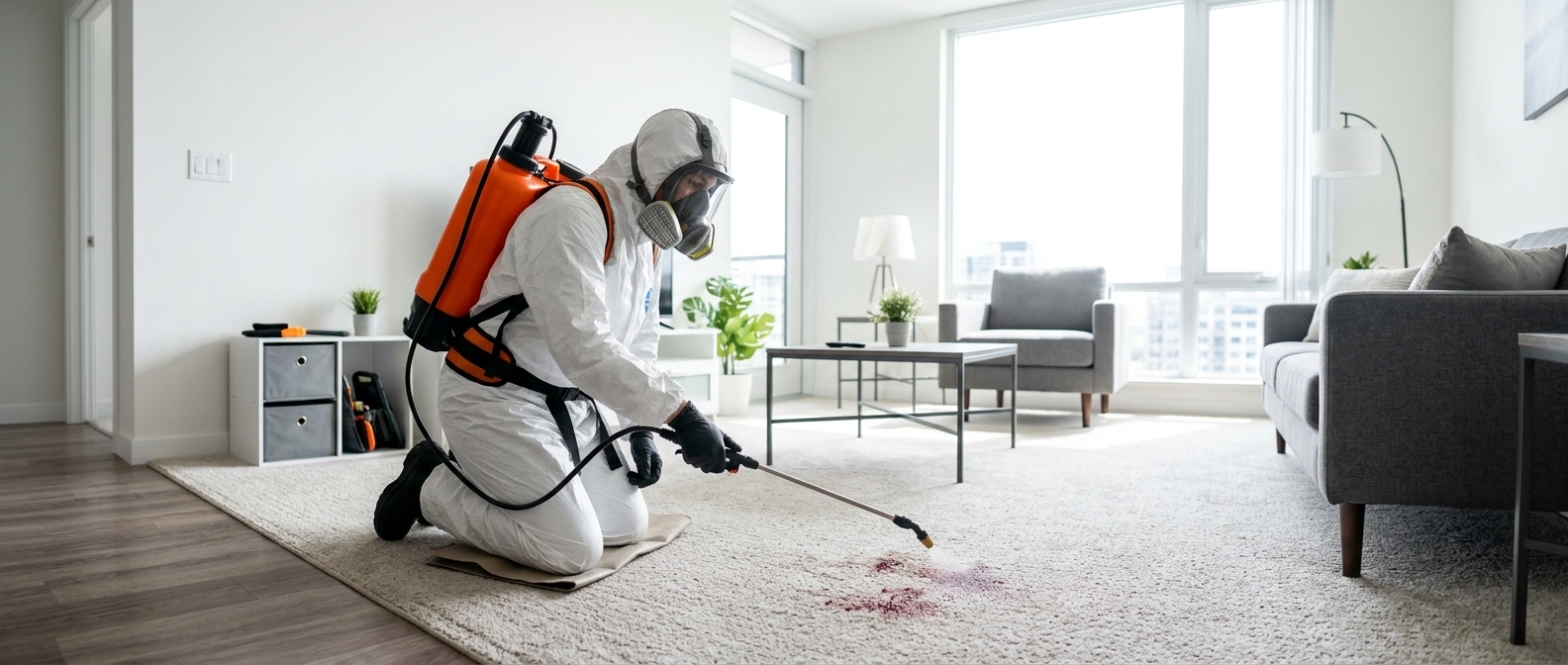
If, despite all measures, the smell of cat urine in your apartment has already penetrated deep into the floors, walls or upholstery, conventional cleaning products are no longer sufficient. In such cases, we at Akut SOS Clean are there for you. Using special enzymatic processes and professional equipment, we permanently and thoroughly remove the smell of cat urine - even from difficult-to-reach materials such as screed or upholstery substructures.
Frequently asked questions about preventing cat urine
Can cat urine cause damage to the home?
Yes, cat urine can cause significant damage. The uric acid contained in urine attacks laminate, parquet and textiles. If you urinate repeatedly in the same place, the urine can penetrate into the screed and leave a lasting odor that can only be removed professionally.
Does vinegar help against cat urine smell?
Vinegar can temporarily mask the smell, but is not a permanent solution. The uric acid crystals in cat urine are not broken down by vinegar. Only enzymatic cleaners can completely biologically break down urine.
When should I go to the vet?
As soon as your cat suddenly becomes unclean or you notice changes in urination behavior (more frequent urination, pain, blood in the urine), you should contact the vet immediately. Medical causes should always be ruled out first.
Why does my cat mark despite being neutered?
If a male cat was only neutered in adulthood, the marking behavior may already be learned. In such cases, a combination of environmental adjustment, pheromone products and patience often help. Discuss the problem with a cat behavior consultant.